BLOG

1. Choose the Right Roofing Material for Your Climate and Budget

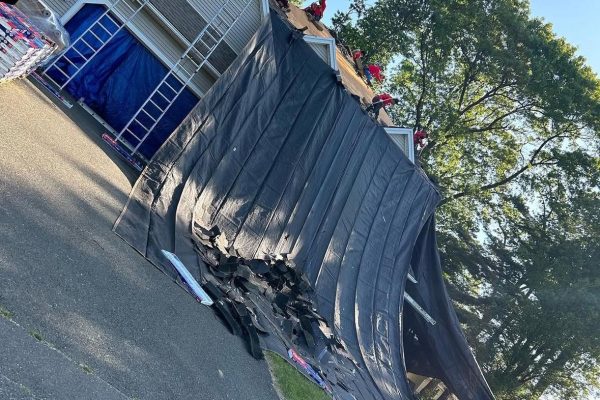
Not all roofs are created equal. Before replacing your roof, take time to research which material works best for your local weather conditions and your long-term budget. Architecture shingles offer a modern look and strong durability, while standing seam metal roofs are excellent for shedding snow and rain and can last for decades. Rubber roofing is ideal for flat roofs and offers great waterproofing.

WhatsApp Image 2025-09-04 at 3.52.43 PM (22)

2. Hire a Licensed and Insured Roofing Contractor You Can Trust

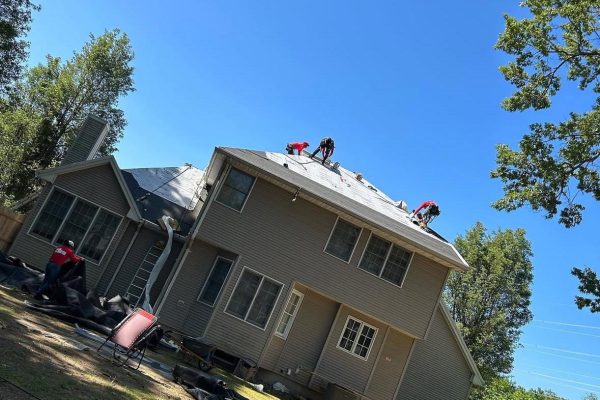
The contractor you choose matters as much as the materials you install. A licensed and insured roofing professional ensures your project is completed safely, up to code, and backed by warranty. Look for companies with solid reviews, a clear portfolio of past work, and transparent pricing. A trustworthy contractor will walk you through the process and offer a detailed estimate — no surprises.
WhatsApp Image 2025-09-04 at 3.52.44 PM (5)

3. Plan Ahead – Timing, Permits & Weather Matter

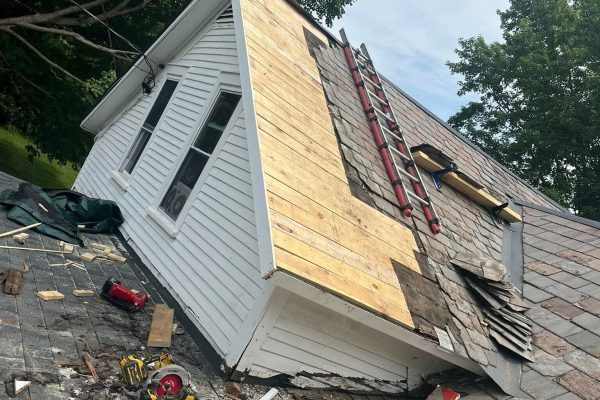
Roof replacement isn’t a weekend DIY project. Make sure you understand the timeline and necessary permits required for your roofing project. Schedule during seasons with milder weather to avoid delays. Planning ahead also allows you to budget properly and make temporary arrangements if needed during installation.

WhatsApp Image 2025-09-20 at 5.38.45 PM (2)